
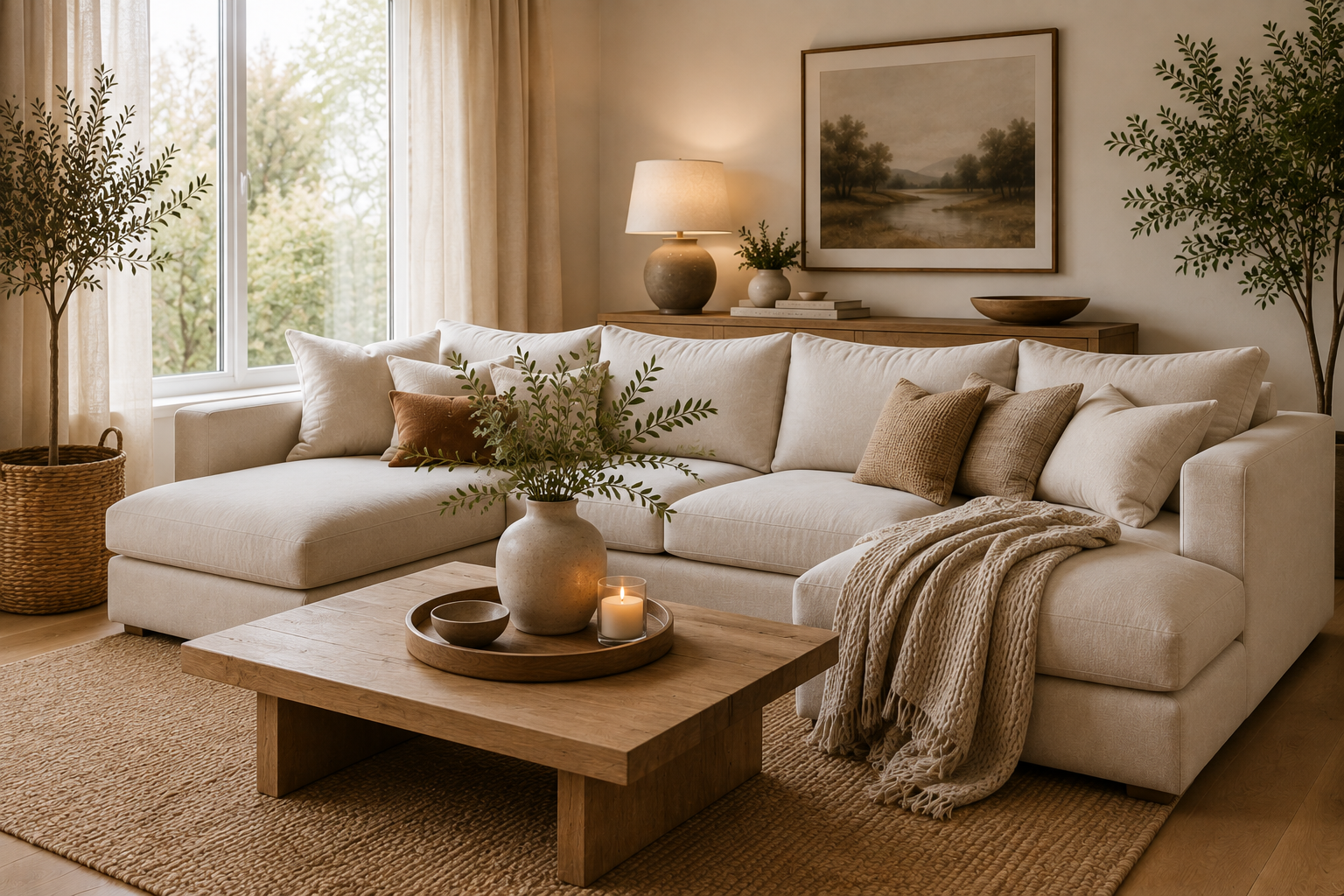
A home can look polished and expensive without being filled with designer furniture or expensive decorations. In fact, some of the most stylish spaces are built around fairly simple things: good lighting, a calm color palette, natural materials and less visual clutter.
The trick is not to buy more. It is to make better use of what is already there and add a few details that make the room feel intentional.
If you’re wondering how to make your home feel more expensive, these simple changes are a good place to start.
Start With a Calm Color Palette
Color is one of the easiest ways to change the overall feeling of a room.
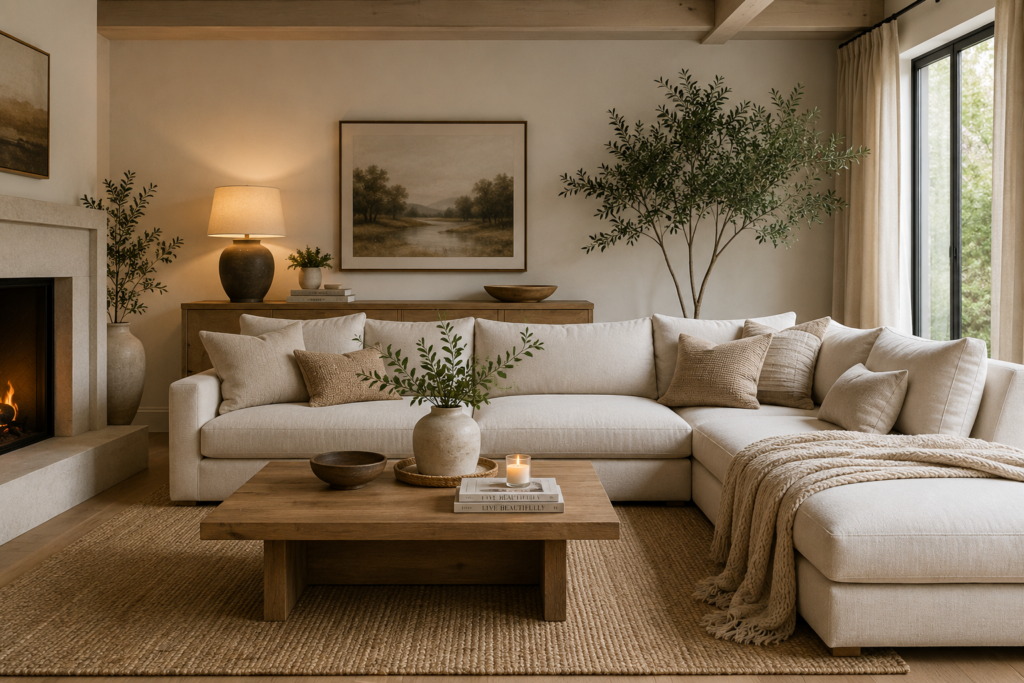
Expensive-looking interiors usually don’t have ten different colors competing for attention. Instead, they tend to use a small palette that works well together.
Warm white, beige, cream, taupe, soft gray and natural wood are easy choices. They create a quiet background that allows furniture and decorative pieces to stand out.
This doesn’t mean the room has to be completely neutral. A darker accent such as olive green, chocolate brown, navy or charcoal can add depth without making the space feel busy.
The key is consistency. When the colors throughout a room feel connected, even affordable furniture can look much more considered.
Improve the Lighting
Lighting can completely change a room.
A single bright ceiling light often makes a space feel flat, while several softer sources create depth and atmosphere. A table lamp on a sideboard, a floor lamp beside the sofa or a small lamp on a shelf can make a surprisingly big difference.
Warm-toned bulbs are especially useful in living rooms and bedrooms. They create a softer evening atmosphere and make neutral colors look richer.
Candles can help too, but they don’t need to be everywhere. One or two placed thoughtfully on a coffee table or console are usually enough.
Good lighting is one of those small details that costs relatively little but can make the entire room feel more sophisticated.
Get Rid of Visual Clutter
Sometimes the fastest way to make a room look more expensive is simply to remove a few things.
Too many decorations, random objects on shelves and crowded surfaces can make even beautiful furniture disappear into the background.
Try leaving some empty space on coffee tables, kitchen counters and shelves. Instead of displaying everything at once, choose a few pieces that actually add something to the room.
A stack of books, a ceramic vase, a small plant or a beautiful bowl can be enough.
The goal isn’t to make the home look empty. It is to give the eye somewhere to rest.
Choose Textures Over Trends
Texture often makes a bigger difference than decoration.
Linen curtains, cotton cushions, wool throws, woven baskets, wooden furniture and ceramic pieces can instantly make a room feel warmer and more refined.
This is also where you can make a cozy room feel more sophisticated without buying completely new furniture. A soft throw over a sofa or a textured rug under a coffee table can change the atmosphere surprisingly quickly.
For more ideas on creating that comfortable, layered feeling, simple touches like warm blankets, soft lighting and natural textures work particularly well in a cozy home.
And if the room already has the basics right, there is no need to keep adding things. Sometimes one beautiful texture works better than five decorative objects.

Make the Furniture Arrangement Feel Intentional
You don’t necessarily need new furniture. Sometimes the problem is simply where everything is placed.
Pulling furniture slightly away from the walls can make a living room feel more balanced. A rug can help define the seating area, while a coffee table gives the arrangement a natural center.
Try to avoid pushing every piece against a wall just because there is space there. A room usually feels more finished when the furniture creates clear areas for sitting, eating or relaxing.
Even moving a chair, changing the position of a lamp or turning a small table can make the room feel completely different.
Add One or Two Pieces With Character
A room doesn’t need to be filled with expensive objects to look interesting.
One distinctive piece can do much more than a shelf full of generic decorations. It could be a large framed print, an interesting mirror, a vintage-looking lamp, a wooden stool or a beautiful ceramic vase.
The important thing is that it looks intentional.
Secondhand shops, flea markets and vintage stores can be surprisingly good places to find pieces with character. Something that looks slightly different from everything else in the room often makes the space feel more personal.
Keep the Kitchen Simple
The kitchen is another place where small changes can make a noticeable difference.
Clear unnecessary items from the countertops and keep only the things used regularly. A wooden cutting board, a ceramic container, a bowl of fruit or a small vase of greenery can make the space feel styled without looking staged.
Matching containers can also make open shelves or countertops look cleaner. They don’t have to be expensive; consistency is what makes the difference.

Don’t Forget the Small Details
The final layer is usually made up of details that aren’t particularly expensive.
Fresh flowers or greenery can bring life into a room. Matching hangers can make an open wardrobe look neater. A nice soap dispenser can improve the appearance of a bathroom. Even replacing a few mismatched cushions can make a sofa look more put together.
These details work because they create a sense of order.
The same principle applies to seasonal decorating. For example, fall home decor can look elegant when it focuses on warm colors, natural foliage, candles and a few carefully chosen pieces rather than filling every corner with seasonal decorations.
A More Expensive Home Is Usually a More Thoughtful Home
Making a home look expensive isn’t really about making it look luxurious.
It is about creating a space where everything feels like it belongs.
A calm color palette, good lighting, less clutter, natural textures and a few pieces with character can completely change the way a room feels. None of these changes require a major renovation or a huge shopping trip.
Often, the best improvement is simply editing what is already there.
A home with fewer things, better lighting and thoughtful details will usually feel more polished than a room filled with expensive purchases that don’t work together. And that is the real secret to making your home feel more expensive without spending a fortune.
No responses yet