
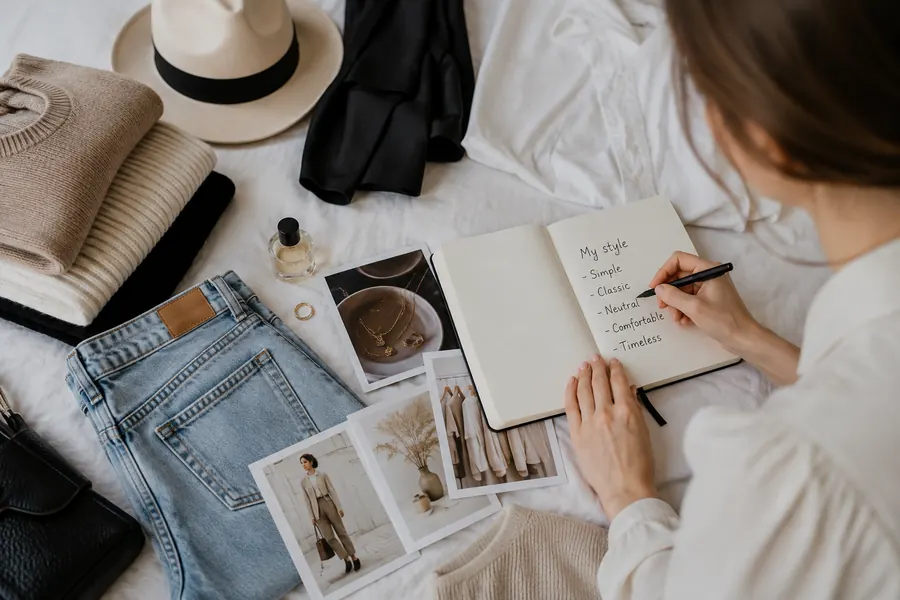
Finding your personal style doesn’t mean choosing one aesthetic and wearing it forever. Your style can change with your lifestyle, age, mood, and even the season.
The goal is to understand what you genuinely like and what makes you feel comfortable and confident.

Start With Your Existing Wardrobe
Before buying anything new, take a good look at what you already own.
Which clothes do you reach for most often? Which outfits make you feel good? And which pieces stay in your closet but rarely get worn?
There is usually a pattern.
You may notice that you prefer simple silhouettes, neutral colors, feminine details, relaxed clothing, or more polished outfits. These small patterns are often a better indication of your personal style than any trend.
Pay Attention to What You Actually Wear
It’s easy to save beautiful outfits on Pinterest or Instagram and assume you want to dress that way.
But inspiration and personal style aren’t always the same thing.
Think about the clothes you feel best wearing in real life. Maybe you love a simple pair of jeans with a beautiful sweater more than an elaborate outfit. Maybe you always feel more put together in trousers, a shirt, and loafers.
Your everyday preferences matter more than what happens to be fashionable.
Choose a Few Words for Your Style
Try describing your ideal wardrobe with three to five words.
For example:
- Classic
- Feminine
- Relaxed
- Minimal
- Elegant
- Casual
- Modern
- Romantic
You don’t need to fit perfectly into one category. The purpose is simply to find a direction.
If your words are classic, simple, and feminine, you already have a useful starting point when choosing clothes.
Find Your Best Colors
Color can completely change how an outfit feels.
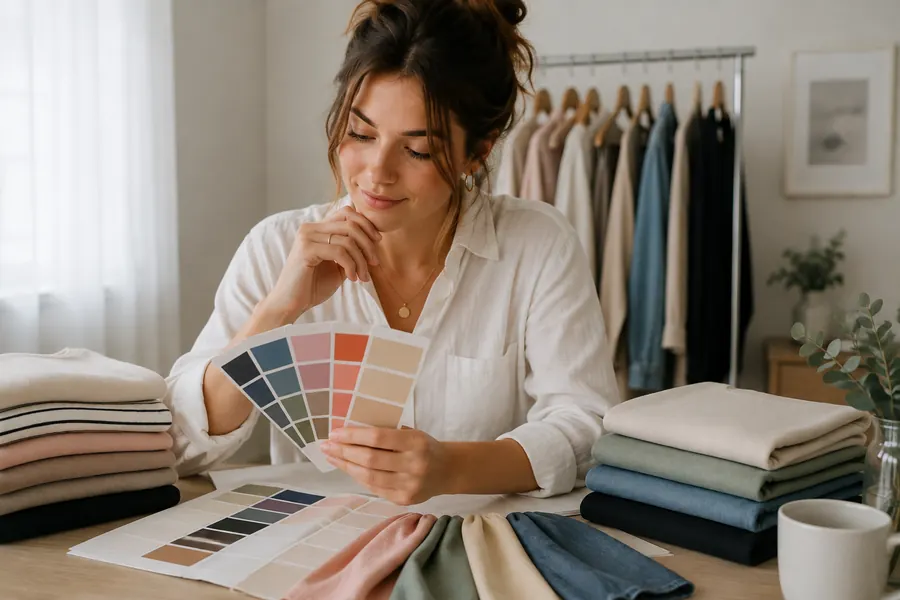
Look at the colors you naturally wear most often and notice which ones make you feel comfortable. You don’t need to follow a strict color analysis system.
A simple approach is to choose a few main neutrals and then add colors you genuinely enjoy.
This also makes getting dressed easier because more of your clothes naturally work together.
Build Around the Clothes You Love
Once you understand your preferences, start creating a wardrobe around them.
You don’t need dozens of new pieces. A smaller collection of clothes that work well together is usually much more useful.
If you like a classic, understated look, focus on pieces that won’t feel dated after one season. Think about what actually earns a permanent place in your wardrobe rather than buying something simply because it’s trending. A few timeless wardrobe essentials can provide a much stronger foundation than a closet full of impulse purchases.
Learn What Makes an Outfit Look Put Together
Personal style isn’t only about individual clothes. It’s also about how you combine them.
Sometimes a very simple outfit looks expensive and polished because of the proportions, colors, fabrics, and accessories. You don’t necessarily need designer clothing or a large wardrobe to achieve that effect.
Small details can make a difference: a tucked-in shirt, a structured bag, simple jewelry, or shoes that complement the rest of the outfit. The same idea applies when putting together simple outfits that look more expensive — the styling often matters more than the price of each piece.
Don’t Ignore Your Lifestyle
Personal style has to work in the real world.
Someone who works from home will naturally need a different wardrobe from someone who spends every day in an office. Your climate, daily routine, hobbies, and social life all influence what makes sense.
If most of your days are casual, there is no point building a wardrobe full of clothes that only work for special occasions. Look at the outfits you actually need and make those the foundation.
For everyday inspiration, simple combinations are often the most useful. A few reliable everyday outfit ideas can make getting dressed easier without making your wardrobe feel repetitive.
Give Yourself Time to Experiment
Finding your style isn’t something you have to solve in one shopping trip.
Try different combinations. Wear something slightly outside your usual choices. Take photos of outfits you like and notice what they have in common.
You may discover that your preferences are more consistent than you thought.
And don’t be afraid to let your style evolve. What suited you a few years ago doesn’t have to define what you wear now.
The Easiest Way to Find Your Personal Style
Start with what you already know.
Look at the clothes you wear repeatedly, identify the colors and silhouettes you prefer, and think about how you want to feel when you get dressed.
Then build slowly around those discoveries.
Personal style isn’t about following every trend or creating a perfect wardrobe. It’s about making your clothes feel like they belong to you.


No responses yet