
Japan is often associated with busy cities, crowded trains and packed sightseeing schedules. But beyond Tokyo, Kyoto and Osaka, there is another side of the country that feels completely different.
Japan is home to thousands of islands, and each has its own character. Some offer warm beaches and turquoise water, while others are known for ancient forests, quiet villages, art and dramatic coastal scenery.
If you want to see a different side of Japan — and perhaps leave a little more room in your itinerary to simply relax — these islands are worth considering.

Okinawa: The Easiest Place to Start
If this is your first island trip in Japan, Okinawa is probably the easiest place to begin.
Okinawa is an island group in southern Japan, with its own subtropical climate, history and culture. The main island combines beaches and clear water with restaurants, hotels, historical sites and plenty of things to do, so you don’t have to choose between a relaxing holiday and sightseeing.
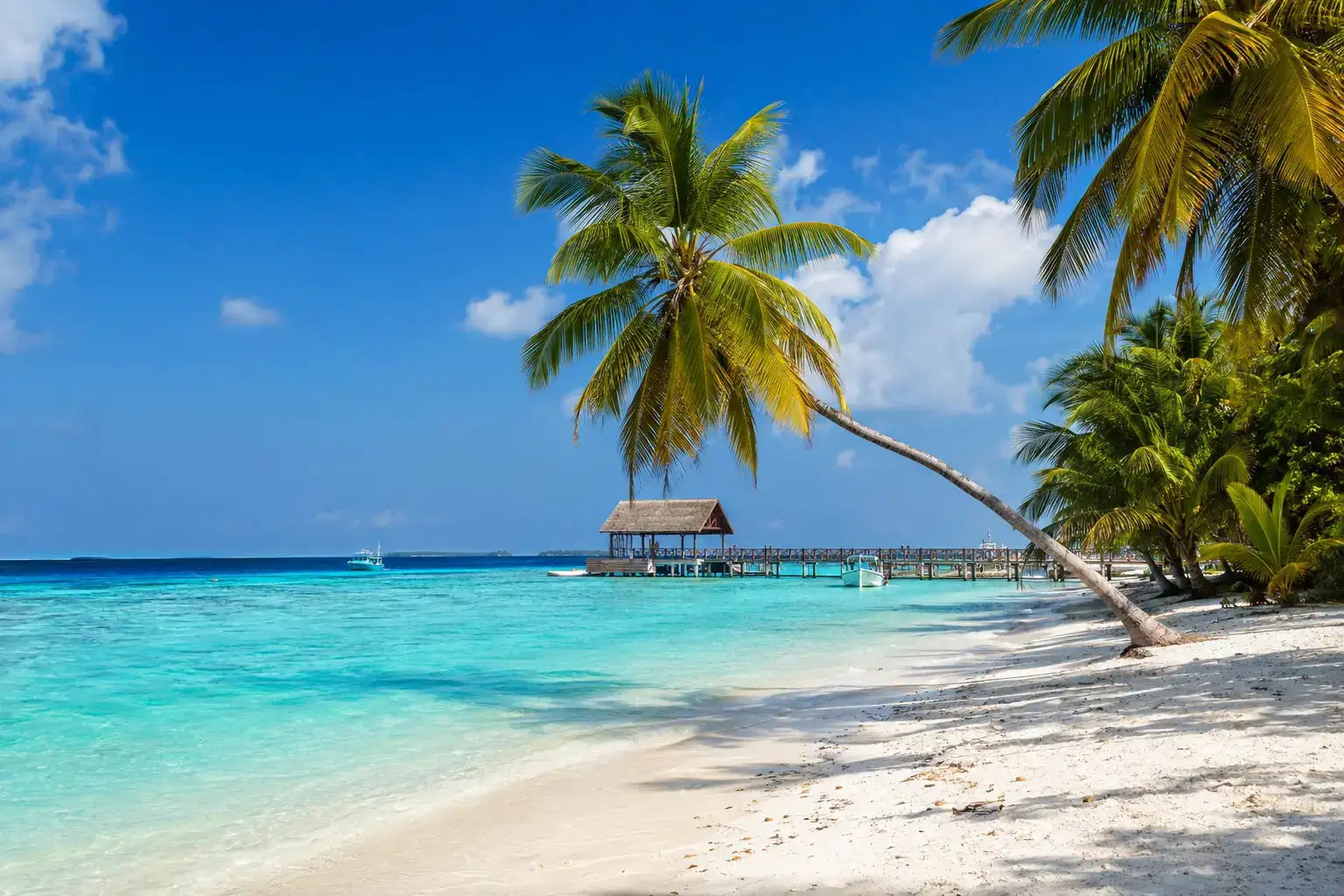
The atmosphere is noticeably different from mainland Japan. Palm trees, warm weather and turquoise water make it easy to forget that you’re still in the same country as Tokyo.
Okinawa also works well as an addition to a longer Japan trip. You can spend several days exploring the cities and then finish the holiday somewhere much slower.
Ishigaki: A More Tropical Side of Japan
If you want something that feels more remote, Ishigaki is a beautiful option.
Located in the Yaeyama island group, Ishigaki is known for beaches, coral reefs, hiking trails and views across the surrounding islands. It is also a convenient base for exploring other islands in the area.
What makes Ishigaki appealing is the combination of nature and convenience. You can spend the morning at the beach, drive along the coast in the afternoon and have dinner in the city without needing a complicated itinerary.
Ishigaki is also a good place to slow down and spend more time outdoors. Days here often involve beaches, boat trips and exploring the coast, so packing light makes sense. Knowing what to pack for an island vacation can save you from carrying things you won’t use while making sure you have the essentials for long days outside.
Miyakojima: For Days With Nowhere to Be
Miyakojima is the kind of place that works best when you don’t try to do too much.
The island is surrounded by coral reefs and emerald-colored water, with long stretches of white sand and several smaller islands connected by bridges. It has a quieter atmosphere than many of Japan’s larger tourist destinations.
That makes Miyakojima particularly good for travelers who want a simple holiday.
There doesn’t need to be a long sightseeing list. You can choose a beach, find a good local restaurant, take a drive along the coast and watch the sunset.
Sometimes that’s exactly what a vacation is supposed to be.

Naoshima: When You Want an Island Without the Beach Holiday
Not every Japanese island is about swimming.
Naoshima, in the Seto Inland Sea, is famous for contemporary art, museums and architecture. The island has become known for the way art is integrated into its landscape and small communities.
It offers a completely different kind of escape.
Instead of spending the day on the beach, you might visit a museum in the morning, walk through a quiet village in the afternoon and watch the light change over the Seto Inland Sea later in the day.
For travelers who love design, photography, architecture or art, Naoshima can be much more interesting than a traditional resort destination.
Yakushima: For Forests, Mountains and Wild Nature
Then there is Yakushima, which feels like another world altogether.
Located south of Kyushu, the island is famous for its ancient cedar forests, mountains, waterfalls and changing climate. Around one-fifth of Yakushima is part of its UNESCO World Natural Heritage area.
The landscape is the reason to come here.
Yakushima is covered with forests and mountains, and some of its ancient cedar trees are believed to be more than a thousand years old. The island also has beaches, but its real character comes from hiking through the ancient forest and experiencing the dramatic scenery.
It is a good choice if your idea of relaxing has less to do with lying beside a pool and more to do with walking through nature without seeing a city skyline.

Which Japanese Island Is Right for You?
The best island depends on what you want from the trip.
If you’re dreaming about warm weather and beaches, Okinawa, Ishigaki and Miyakojima are the obvious choices.
If you prefer art, architecture and a slower cultural experience, Naoshima offers something completely different.
And if you want forests, hiking and dramatic natural scenery, Yakushima is the island to consider.
The good thing is that you don’t necessarily have to choose between a classic Japan trip and an island escape. Japan’s network of flights and ferries makes many smaller islands surprisingly accessible from major cities and airports.
A few days in Tokyo or Kyoto followed by a slower island stay can create a much more balanced trip.
Because Japan isn’t only about seeing more.
Sometimes the best part of the journey is finding a place where you don’t need to rush anywhere.
Best Time to Visit Japan’s Islands
The best time depends on which island you choose and what you want to do.
For Okinawa, Ishigaki and Miyakojima, spring and autumn are particularly comfortable. April and May bring pleasant weather before the hottest part of summer, while October and November offer warm days with a more relaxed atmosphere.
April to May is a great choice if you want to explore the southern islands before the intense summer heat arrives. The islands are already warm enough for outdoor activities, although Golden Week in late April and early May can be considerably busier.
Summer is the classic season for a beach holiday, with hot weather and warm water, but it is also the busiest period. September can still be beautiful, although the risk of typhoons is higher in southern Japan, so flexible travel plans are a good idea.
October and November are especially appealing for a slower island trip. The summer heat begins to ease, the crowds thin out and outdoor activities become more comfortable.
For the southern islands, October is often the sweet spot — warm enough to enjoy the coast while being much more comfortable for exploring, hiking and spending long days outdoors.
If you’re more interested in hiking and nature, the best season can be different. Yakushima, for example, is a year-round destination, but conditions can vary considerably depending on elevation and rainfall.
A Simple Seasonal Guide
- April–May: Mild weather and excellent for exploring
- June–August: Hot, sunny and best for a classic beach holiday
- September: Warm, but higher typhoon risk in the south
- October–November: Warm, comfortable and quieter
- December–March: Cooler, especially outside Okinawa
A Different Way to Experience Japan
Japan’s islands show a side of the country that is easy to miss when your itinerary is built entirely around major cities.
You can swim in clear water in Okinawa, explore contemporary art on Naoshima or walk through ancient forests on Yakushima — all without leaving Japan.
And perhaps that’s what makes an island trip so appealing.
You don’t have to see everything.
You can simply choose one place, slow down and let a few quiet days become part of the journey.


No responses yet